Login Your Account
Login to your accounts to discover the great features in this template
or
Not member yet? Create an account

Login to your accounts to discover the great features in this template
or
Not member yet? Create an account
Welcome Back! Please enter your details
or
Presenters, performers, instructors, and event hosts often need to speak while moving, demonstrating activities, or using their hands. A traditional handheld microphone can limit movement, while a lapel microphone may not always provide the positioning or stability required for an active presentation. Wireless headset microphones offer a practical alternative by keeping the microphone close to the speaker’s mouth while allowing hands-free operation.
RentX Africa provides wireless headset microphone hire and rental in Kenya for event organizers, conference planners, churches, schools, fitness instructors, performers, trainers, and businesses that need temporary audio equipment.
Wireless headset microphones are designed to be worn around the head or over the ear, positioning the microphone near the mouth. They typically work with a compatible wireless transmitter and receiver, which sends the speaker’s voice to a sound system, mixing console, or other supported audio equipment.
Whether you are organizing a corporate presentation in Nairobi, a church service, a training workshop, a dance class, or a live entertainment event, choosing the appropriate headset microphone can help improve speech clarity and give the presenter greater freedom of movement.
Wireless headset microphones are microphones worn on the head, with a small microphone boom positioned near the speaker’s mouth. Unlike handheld microphones, they do not need to be held during use. Unlike most lavalier microphones, they maintain a relatively consistent position near the mouth as the wearer turns their head or moves around.
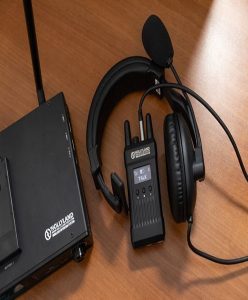
A typical wireless headset microphone setup includes a headset microphone, a compatible bodypack transmitter, and a wireless receiver. The receiver connects to a suitable mixer, amplifier, powered speaker, or other compatible audio device.
The transmitter sends the audio signal wirelessly to the receiver. The receiver then passes the signal to the sound system for amplification or recording.
Some headset microphones are designed for speech, while others may be suitable for singing, fitness instruction, theatre, or other performance applications. The correct microphone depends on the intended use, sound system, wearing comfort, and compatibility with the wireless transmitter.
RentX Africa provides an equipment rental option for customers who need headset microphones for specific events or projects rather than permanent use.
A major advantage of wireless headset microphones is that the wearer can use both hands while speaking. This is especially valuable for trainers demonstrating procedures, instructors leading exercises, presenters operating equipment, and performers using props.
It also eliminates the need to pass a handheld microphone between activities.
Because the headset stays in position on the wearer’s head, the microphone can maintain a more consistent distance from the mouth than a handheld microphone that is moved around frequently.
This can help produce more consistent speech levels as the presenter turns their head or walks around the venue. Correct positioning and appropriate microphone technique remain important for good audio quality.
Wireless headset microphones allow presenters to move within the effective operating range of the system. This is useful for people who need to interact with participants, demonstrate products, lead activities, or move across a stage.
The usable range depends on the equipment, frequency conditions, transmitter and receiver placement, and physical obstructions.
Some presentations involve movement rather than standing behind a lectern. A headset microphone can be convenient for dance instructors, fitness trainers, drama performers, tour guides, and facilitators conducting interactive sessions.
The headset should fit securely and comfortably, particularly when the wearer is moving frequently.
A headset microphone allows the speaker to maintain a natural posture and engage with the audience without repeatedly adjusting or holding a microphone. This can be helpful during demonstrations, workshops, live presentations, and performance-based activities.
Renting allows customers to access appropriate audio equipment for an event without purchasing a complete wireless microphone system. This is useful for organizations that hold occasional conferences, training sessions, church events, or performances.
Wireless headset microphones are useful in a variety of event settings.
Corporate conferences: Presenters can move across the stage, use presentation materials, and engage with the audience while speaking.
Church services: Pastors, worship leaders, speakers, and ministry facilitators may use headset microphones when they need hands-free communication.
Fitness classes: Instructors can demonstrate movements and lead exercises while keeping their hands free. The selected equipment should be suitable for the activity and protected from excessive moisture according to the manufacturer’s instructions.
Dance performances: Performers and instructors may use headset microphones for spoken introductions, live commentary, or other speech requirements.
Training workshops: Facilitators can demonstrate equipment, write on boards, and interact with participants without holding a microphone.
School functions: Teachers, trainers, and presenters can use headset microphones during educational demonstrations, assemblies, and interactive sessions.
Theatre and stage productions: Actors or presenters may use suitable headset microphones when consistent voice capture and freedom of movement are required.
Product launches: Demonstrators can explain products while handling them or moving around an exhibition space.
Trade shows and exhibitions: Presenters can speak to visitors while demonstrating products and answering questions.
Outdoor events: Event hosts and instructors may benefit from headset microphones when they need to move around an activity area, provided the system is suitable for the environment.
Guided activities: Trainers, facilitators, and tour leaders can communicate with groups while walking or demonstrating different tasks.
Over-the-ear headset microphones use an ear hook or similar support to keep the microphone positioned near the wearer’s mouth. They may be suitable for presenters who want a relatively discreet microphone that stays in place during movement.
Fit and comfort vary between designs, so confirm that the headset is suitable for the intended wearer and compatible with the transmitter.
Headband-style microphones use a band or frame that wraps around the head to support the microphone boom. They can offer a secure fit for presentations, performances, and activities involving frequent movement.
The appropriate design depends on comfort, appearance, stability, and the required microphone placement.
Speech-oriented headset microphones are designed to capture spoken voice. They can be useful for presentations, teaching, church services, training, and public speaking.
Their suitability depends on the microphone’s characteristics, transmitter compatibility, and the sound system.
Some headset microphones are designed for performers who need to sing, speak, or move during a production. These systems may have different microphone characteristics and durability requirements from equipment intended primarily for seated presentations.
For singing or demanding live performances, discuss the intended use before selecting a system.
A single wireless headset microphone may be sufficient for one presenter. Events with multiple instructors, speakers, or performers may require several compatible systems.
Multiple wireless microphones must be coordinated appropriately to reduce interference and ensure that each transmitter communicates reliably with its intended receiver.
Selecting the correct headset microphone involves more than choosing a wireless model. Consider the following factors before arranging a rental.
Headset microphones are not universally interchangeable. Connector type, wiring, power requirements, and microphone specifications must match the bodypack transmitter.
Confirm that the headset, transmitter, and receiver are compatible as a complete system.
A headset should fit securely without causing unnecessary discomfort. This matters particularly during long conferences, performances, workshops, and fitness sessions.
If several people will use the equipment, establish a hygienic handling and cleaning process that follows the manufacturer’s instructions.
The microphone boom should be positioned according to the manufacturer’s guidance. If it is too far from the mouth, the speaker may sound quiet. If it is positioned incorrectly, it may capture excessive breath noise or produce inconsistent audio.
A sound check should be conducted while the wearer speaks and moves as they will during the event.
The distance between the transmitter and receiver should be appropriate for the venue. Walls, metal structures, crowded spaces, and other wireless equipment can affect reception.
For large venues, test the system from the areas where the presenter is expected to move.
Wireless transmitters and receivers may use rechargeable batteries or replaceable batteries, depending on the model. Confirm expected operating time and charging requirements before the event.
For lengthy programmes, prepare an appropriate backup plan to avoid interruptions caused by low battery power.
The wireless receiver must connect correctly to the available sound equipment. This may include a mixing console, powered speaker, amplifier, or other compatible audio input.
If the event venue already has a sound system, confirm its available inputs and whether the receiver requires specific cables.
A headset microphone used for a quiet indoor presentation may have different requirements from one used by a fitness instructor or stage performer.
For outdoor use, consider wind noise and environmental exposure. For active events, consider headset stability and the need to protect equipment from sweat or moisture.
Wireless headset microphones are especially useful when presenters need to maintain consistent speech while moving around. In a conference, for example, a speaker can advance presentation slides, point to a display, and interact with attendees without holding a microphone.
During a training session, an instructor can demonstrate a process while continuing to explain each step. At a church service, a speaker may move around the platform while keeping their hands free for notes or other activities.
For these situations, proper sound-system setup remains essential. The microphone gain should be adjusted to suit the speaker’s voice, and the loudspeakers should be positioned to minimize feedback. A technician may be needed for larger events or complex audio setups.
Headset microphones are not always the best choice for every participant. Handheld microphones may be more suitable for audience questions, while lavalier microphones may be preferable when a discreet clip-on option is required. Choosing the right microphone depends on the programme and the way the speaker will use it.
Before booking your equipment, use the following checklist.
Identify the event requirements. Explain whether the microphone is for a presentation, fitness class, church service, performance, or training session.
Confirm the number of users. Determine how many people need microphones at the same time.
Check compatibility. Confirm that the headset, transmitter, receiver, and sound system work together.
Provide venue details. Explain the size, layout, and whether the event will take place indoors or outdoors.
Confirm battery arrangements. Check operating time, charging options, and any spare batteries supplied.
Test microphone placement. Ensure the headset fits securely and that the microphone captures speech clearly.
Conduct a sound check. Test the system while the wearer speaks and moves around the venue.
Check for interference. Verify reception in the areas where the speaker will operate.
Prepare a backup plan. Consider having a compatible spare microphone or another audio option for critical presentations.
These steps can help minimize interruptions and improve the reliability of the sound setup.
RentX Africa helps customers arrange event equipment rental in Kenya for corporate functions, presentations, training sessions, church activities, and entertainment events.
Wireless headset microphone hire can be useful when a customer needs hands-free audio equipment for a particular date without investing in a permanent wireless system.
When requesting a quotation, provide your event date, venue, programme duration, number of speakers, and intended use. Explain whether the microphone will be connected to an existing PA system or whether additional sound equipment is required.
Before confirming the booking, verify the availability of the specific headset model, compatible transmitter and receiver, required cables, batteries, delivery arrangements, setup support, and rental charges.
For events involving several wireless microphones, ask how the systems will be coordinated and tested at the venue.
Wireless headset microphones can support corporate presentations in Nairobi, church events in Mombasa, training workshops in Kisumu, school activities in Nakuru, fitness sessions in Eldoret, and other events across Kenya, subject to equipment availability and delivery arrangements.
Whether you need a microphone for one presenter or several speakers, selecting a suitable system and allowing time for testing can improve the event’s audio experience.
Planning a conference, performance, training session, or event that requires hands-free audio? Contact RentX Africa to inquire about wireless headset microphones hire and rental in Kenya.
Share your event date, location, number of users, sound-system details, and intended application so the appropriate equipment can be discussed and availability confirmed.
With a compatible wireless system, comfortable headset placement, and a proper sound check, presenters and performers can communicate clearly while moving naturally throughout their activities.
WhatsApp us

Ratings & Reviews
There are no reviews yet.