
DSLR & Mirrorless Cameras Hire in Kenya: Best Cameras for Safari, Wildlife Photography and Video
DSLR & Mirrorless Cameras Hire in Kenya: Best Cameras for Safari, Wildlife Photography and Video
Kenya is one of Africa’s most exciting destinations for wildlife photography, safari filmmaking and nature documentaries. From lions and cheetahs in the Maasai Mara to elephants in Amboseli, birds around Lake Nakuru and wildlife across Samburu and Laikipia, the country offers extraordinary opportunities to capture nature through photography and video.
However, getting exceptional wildlife photographs requires more than visiting the right destination. Choosing the right camera, lens and accessories can make a significant difference to the images and footage you capture.
At RentX Africa, photographers, filmmakers, content creators and travellers can explore camera rental options for different photography and video requirements. Whether you need a DSLR for your first safari, a professional mirrorless camera for photographing fast-moving wildlife, or a video-focused camera for documentary production, renting gives you access to equipment suited to your project without the cost of purchasing an entire camera system.
This guide explores DSLR and mirrorless cameras for hire in Kenya, explains how to choose the right equipment for wildlife photography and video, and highlights what to consider before renting a camera for your next safari.
Why Hire a DSLR or Mirrorless Camera in Kenya?
Buying professional photography equipment can be expensive, particularly if you need a camera body, telephoto lens, batteries, memory cards and other accessories for a short trip.
Camera hire offers a practical alternative for travellers and professionals who need specialised equipment for a limited period.
Access professional photography equipment
Renting allows you to use capable cameras for wildlife photography, bird photography, landscape photography, travel content, interviews and professional video production.
Instead of investing in equipment you may only use occasionally, you can select a camera that suits your upcoming assignment.
Choose equipment for your specific safari
Different wildlife photography situations require different equipment. Photographing elephants from a vehicle, capturing small birds at a distance and filming a wildlife documentary may require different camera and lens combinations.
Renting gives you the flexibility to select a suitable setup for each trip.
Avoid transporting all your own equipment
International photographers travelling to Kenya may prefer to arrange equipment rental locally rather than carry every camera body and lens from home.
Confirm collection, delivery and return arrangements before booking, especially if you are travelling directly from Nairobi to a safari destination.
Test equipment before making a purchase
If you are considering upgrading your photography equipment, renting a camera can help you assess its ergonomics, autofocus, image quality and performance in real shooting conditions before committing to a purchase.
DSLR vs Mirrorless Cameras: Which Is Better for Wildlife Photography?
Both DSLR and mirrorless cameras can produce excellent wildlife photographs. The best choice depends on your experience, budget, existing lenses and the type of photography you intend to do.
DSLR cameras for safari photography
Digital single-lens reflex cameras use a mirror mechanism and an optical viewfinder. Many photographers appreciate their familiar handling, long battery life and extensive selection of compatible lenses.
DSLR cameras remain useful for safari photography, particularly when paired with a suitable telephoto lens.
Examples of DSLR cameras worth considering include:
- Canon EOS 80D
- Canon EOS 250D
- Canon EOS 90D
- Nikon D5600
These models offer different levels of performance, resolution and handling. The Canon EOS 90D, for example, has a high-resolution APS-C sensor that can be useful when photographing distant animals and birds.
DSLR cameras can be a practical option for photographers who prefer an optical viewfinder or want to use compatible lenses from an established camera system.
Mirrorless cameras for wildlife photography
Mirrorless cameras use electronic viewfinders or rear displays instead of the traditional DSLR mirror mechanism.
Many modern mirrorless cameras offer sophisticated subject detection, continuous autofocus, rapid burst shooting and advanced video features.
Examples of mirrorless systems suitable for different wildlife photography needs include:
- Canon EOS R7
- Canon EOS R6 Mark II
- Canon EOS R5
- Canon EOS R8
- Canon EOS R50
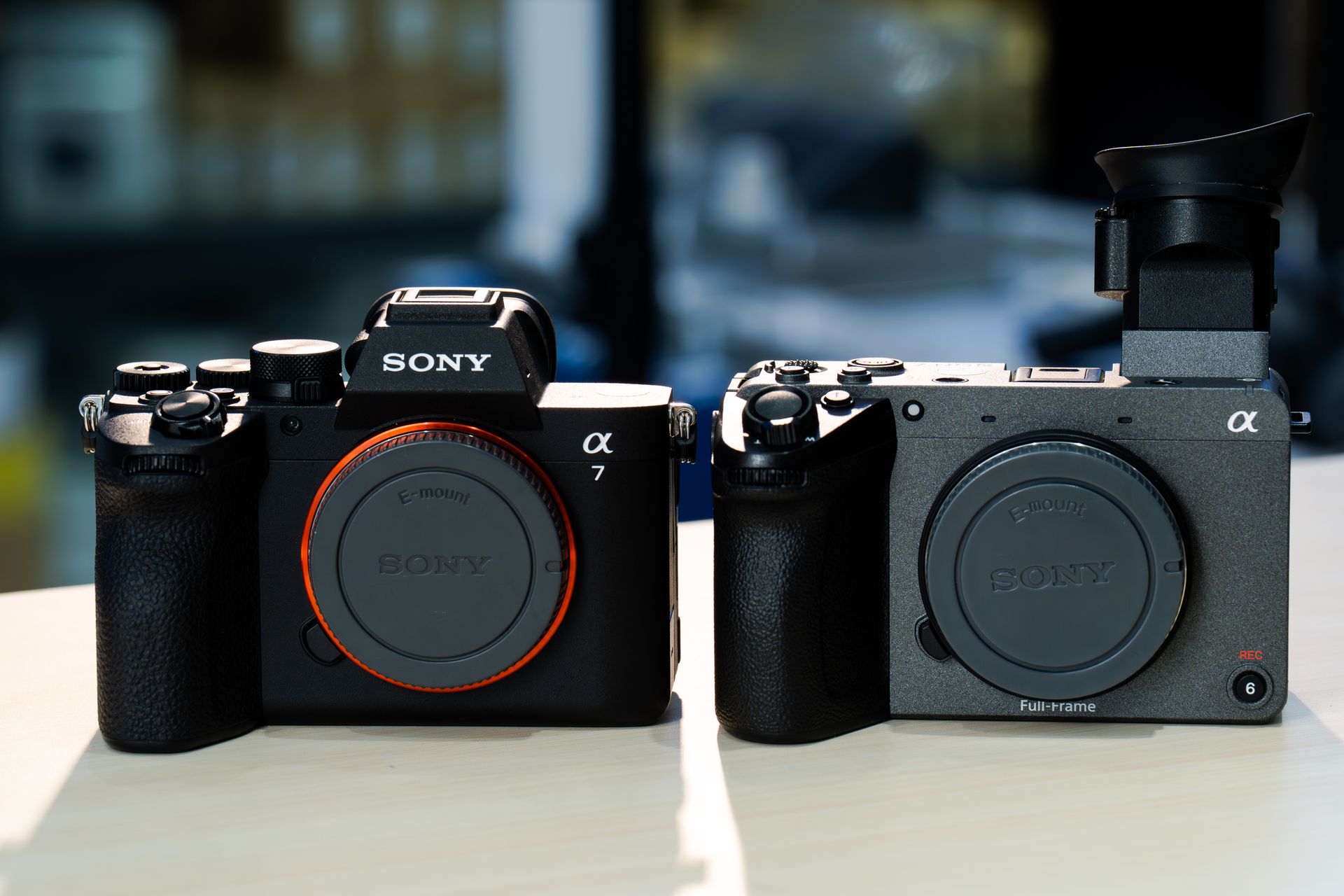
- Sony A7 III
- Sony A7 IV
- Sony A7S III
- Sony FX3
- Sony FX6
- Nikon Z6 II
- Nikon Z7 II
- Nikon Z8
- Nikon Z9
The best option depends on your requirements. A high-resolution camera may be attractive for cropping wildlife images, while a camera with strong autofocus and rapid continuous shooting may be better suited to action.
For filmmakers, video resolution, frame rates, recording formats, autofocus, stabilisation and audio connectivity may be more important than still-image resolution alone.
Best Cameras for Safari and Wildlife Photography in Kenya
There is no single camera that is best for every safari. Consider your experience, budget, lens choice and the subjects you expect to photograph.
Canon EOS R7: An APS-C camera for wildlife action
The Canon EOS R7 is worth considering for wildlife photographers who want an APS-C mirrorless camera with strong autofocus and continuous shooting capabilities.
Its smaller sensor format provides a narrower field of view than a full-frame camera when using the same lens and shooting position. This can be useful when photographing distant animals, although it does not physically increase a lens’s focal length.
The R7 is particularly worth considering for:
- Birds in flight.
- Wildlife action.
- Animals photographed at a distance.
- Travellers seeking a capable wildlife-focused camera.
- Photographers who want a balance of performance and portability.
Pairing the camera with a compatible telephoto lens is essential for getting the most out of it on safari.
Canon EOS R6 Mark II: A versatile full-frame option
The Canon EOS R6 Mark II is a full-frame mirrorless camera suitable for photographers who want a versatile body for wildlife, portraits, landscapes and video.
Its autofocus and continuous shooting capabilities make it worth considering for fast-moving subjects.
It may suit photographers who expect to move between different types of photography during their trip, from wildlife action to low-light scenes and environmental portraits.
Canon EOS R5: High-resolution wildlife photography
The Canon EOS R5 is an option for photographers who want high-resolution images and flexibility when cropping photographs.
This can be useful when the subject is distant and you need to produce a tighter composition while retaining detail.
High-resolution files require sufficient memory card capacity and storage space, so plan accordingly when photographing wildlife over several days.
Sony A7 III and Sony A7 IV: Versatile full-frame cameras
The Sony A7 III and A7 IV are worth considering for photographers who want a full-frame camera for wildlife photography, travel and general photographic work.
The A7 III offers a capable photography platform, while the A7 IV provides a higher-resolution sensor and additional hybrid photography and video capabilities.
These cameras can be paired with compatible long telephoto lenses for safari photography.
Sony A7S III, FX3 and FX6: Options for wildlife video production
For filmmakers and content creators, Sony’s video-oriented cameras are worth considering.
The Sony A7S III and FX3 are designed for demanding video workflows, while the FX6 is a dedicated cinema camera suited to professional production requirements.
These cameras may be appropriate for:
- Wildlife documentaries.
- Safari films.
- Conservation projects.
- Travel filmmaking.
- Professional video production.
- Commercial content creation.
Your choice should depend on recording requirements, lens compatibility, audio needs, stabilisation and the intended editing workflow.
Nikon Z8 and Z9: Professional wildlife photography
The Nikon Z8 and Z9 are high-performance mirrorless cameras worth considering for photographers who need advanced autofocus, rapid shooting and professional image quality.
They are particularly relevant for photographers capturing unpredictable wildlife behaviour, birds in flight and action sequences.
Pairing either camera with a compatible telephoto lens is important when photographing animals from a safe distance.
Nikon Z6 II and Z7 II: Versatile mirrorless alternatives
The Nikon Z6 II and Z7 II offer different strengths for photographers using the Nikon Z system.
The Z6 II is a versatile camera for general photography and video, while the Z7 II offers higher image resolution for photographers who prioritise detail and cropping flexibility.
Both can serve safari photographers, depending on their individual requirements and compatible lenses.
Why the Lens Matters as Much as the Camera
One of the most important decisions when hiring a camera for safari photography is selecting the right lens.
Wild animals cannot always be approached closely, and park regulations require visitors to maintain appropriate distances. A telephoto lens allows you to frame wildlife without needing to get physically closer.
Depending on your camera system and requirements, consider telephoto lenses such as:
- Canon RF 100-400mm.
- Canon RF 100-500mm.
- Canon RF 200-800mm.
- Canon EF 100-400mm USM II.
- Sigma 150-600mm Contemporary for Canon EF.
- Sony FE 200-600mm.
- Tamron 150-500mm for Sony E mount.
- Nikon Z 180-600mm.
- Nikon AF-S 200-500mm.
- Nikon 80-400mm.
These lenses serve different purposes, and compatibility must be checked before booking. DSLR lenses may require a compatible adapter when used on some mirrorless bodies.
Which focal length should you choose?
100-400mm: A versatile range for wildlife, larger animals and general safari photography.
100-500mm: A flexible option for photographers who want additional reach without committing to an extremely long lens.
150-600mm: Useful for photographing distant animals and birds, depending on the lens mount and camera combination.
180-600mm or 200-600mm: Options for wildlife photographers who need substantial telephoto reach.
200-800mm: A long-range option for distant wildlife and bird photography, subject to camera compatibility and shooting conditions.
A longer focal length does not automatically guarantee better images. Light, autofocus, shutter speed, technique and atmospheric conditions all affect the final result.
Best Camera Equipment for Different Kenyan Safari Destinations
Maasai Mara: Wildlife action and the Great Migration
The Maasai Mara offers opportunities to photograph lions, cheetahs, elephants, wildebeest and other wildlife.
For action photography, prioritise reliable autofocus, continuous shooting and a suitable telephoto lens. A lens in the 100-500mm or 150-600mm range can be useful, depending on the camera system and subject distance.
If you intend to film wildlife, check your camera’s video capabilities, stabilisation and recording requirements before travelling.
Amboseli: Elephants and landscape photography
Amboseli is known for its elephant populations and views of Mount Kilimanjaro when conditions are clear.
A versatile telephoto lens is useful for photographing elephants, while a standard zoom or wide-angle lens can help capture the wider landscape.
Lake Nakuru: Birds and wildlife photography
Lake Nakuru and its surrounding habitats offer opportunities for bird and wildlife photography.
Bird photography often benefits from longer focal lengths, fast autofocus and a shutter speed appropriate for the subject’s movement.
Samburu and Laikipia: Diverse wildlife and conservation
These destinations offer opportunities to photograph a range of wildlife and landscapes.
A flexible camera kit with a telephoto lens and a general-purpose lens can help you move between distant animals, environmental portraits and landscape scenes.
Hiring a Camera for Wildlife Video in Kenya
Wildlife video requires a different approach from still photography. Before hiring a camera, consider the resolution, frame rates, autofocus performance, recording formats, battery life and storage requirements.
For documentary production, you may also need:
- Additional batteries.
- High-capacity memory cards.
- A compatible telephoto lens.
- A tripod or monopod.
- A beanbag for support in a safari vehicle.
- Audio equipment for interviews and narration.
- Suitable storage for backing up footage.
Not every camera supports every resolution, frame rate or recording format. Confirm the specifications of the exact model you intend to rent.
For long recording sessions, also consider heat management, recording limits and available power.
How Much Does It Cost to Hire a Camera in Kenya?
Camera rental prices vary according to the camera model, lens, accessories, rental duration and availability.
A basic DSLR body will generally occupy a different rental price range from a professional mirrorless camera or dedicated cinema camera. Complete camera-and-lens combinations may also cost more than hiring a body alone.
When comparing rental quotations, check whether the price includes:
- Camera body and selected lens.
- Batteries and charger.
- Memory cards.
- Compatible adapters.
- Camera bag and protective accessories.
- Rental duration and late-return terms.
- Security deposit and insurance conditions.
- Collection, delivery and return arrangements.
For wildlife photography, a complete compatible kit can be more practical than renting a camera body and discovering that you still need to source a suitable lens.
Contact RentX Africa to enquire about available equipment, rental rates and the best setup for your project.
What to Check Before Hiring a DSLR or Mirrorless Camera
Before confirming your booking, make sure the camera meets your needs.
- Check the lens mount. Confirm that the camera and lens are compatible.
- Choose the right sensor format. Full-frame and APS-C cameras offer different trade-offs in image quality, field of view, size and cost.
- Review autofocus performance. This is particularly important for wildlife and birds in flight.
- Confirm video specifications. Check resolution, frame rates, recording formats and audio connectivity if you plan to film.
- Plan memory and power. Bring sufficient storage and batteries for long days in the field.
- Check what is included. Confirm the exact equipment, accessories and return requirements.
- Test the equipment before departure. Familiarise yourself with camera settings, autofocus modes and exposure controls.
Why Rent Your Safari Camera Equipment Through RentX Africa?
Renting camera equipment is a practical way to access photography and video gear for a specific trip or production without buying an entire system.
With a suitable selection of DSLR and mirrorless cameras, photographers can choose equipment that aligns with their experience, shooting style and budget.
Whether you are preparing for a wildlife photography trip, a birdwatching expedition, a travel film or a professional production, selecting the right camera and compatible lens is essential.
Plan your equipment requirements before your departure date, particularly if you need a specific professional camera or long telephoto lens.
Book DSLR and Mirrorless Camera Hire in Kenya
Kenya offers remarkable opportunities for wildlife photography, safari films and nature storytelling. The right camera setup helps you prepare for those opportunities and capture them with greater confidence.
From Canon DSLR cameras and EOS R mirrorless bodies to Sony Alpha cameras, Sony cinema cameras and Nikon Z-series systems, there are options for different photography and filmmaking needs.
Looking for DSLR or mirrorless camera hire in Kenya? Contact RentX Africa to enquire about camera availability, compatible telephoto lenses, accessories and rental rates.
Choose your equipment, prepare your safari itinerary and get ready to capture Kenya’s wildlife, landscapes and unforgettable moments.